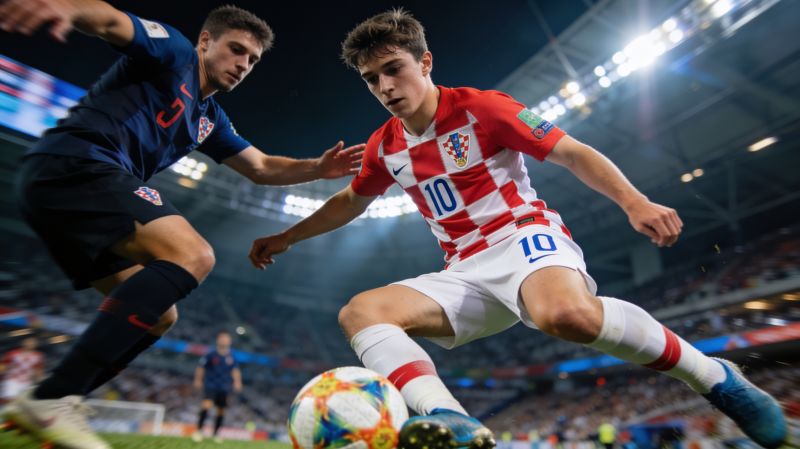
he 2022 World Cup in Qatar delivered a jolt to Japanese football that still resonates. Beating Germany and Spain in the group stage wasn't a fluke—it was a statement. Japan topped a group featuring two former world champions, then pushed Croatia to penalties in the round of 16. That performance wasn't just about results;it was about belief. For decades, Japan had been seen as a technically gifted but physically overmatched side. That narrative cracked in Doha. The world cup japan story shifted from plucky underdog to genuine contender.What made the difference?Tactical flexibility, for one. Manager Hajime Moriyasu alternated between a back three and a back four, frustrating opponents who couldn't adjust. The squad depth was remarkable—players like Ritsu Doan and Ao Tanaka came off the bench to score crucial goals. Take Doan's equalizer against Germany: a quick transition, a deflected shot, and suddenly Japan had momentum. These weren't lucky breaks;
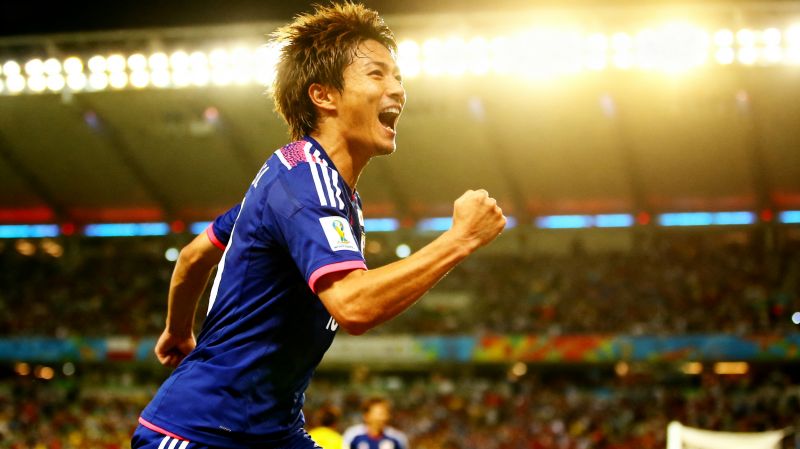
they were the product of a J.League system that prioritizes technical development and a growing contingent of players in Europe's top leagues. The world cup japan narrative now includes names like Kaoru Mitoma and Takefusa Kubo。who ply their trade in the Premier League and La Liga.Off the pitch, the aftermath of Qatar has been just as telling. The Japan Football Association set a target of reaching the quarterfinals—or better—at the 2026 World Cup. That's not hollow ambition. The JFA has invested heavily in youth academies and coaching education. I've watched grassroots matches in Tokyo where ten-year-olds practice rondos with the same intensity as professionals. The country's high school tournament, held at the National Stadium。draws crowds of 40,000. That's a pipeline. However, challenges remain. Japan lacks a world-class striker—someone who can convert half-chances against elite defenses. The search continues, but the emergence of players like Ayase Ueda offers hope.Another factor is the changing landscape of global football. The 2026 World Cup expands to 48 teams, which means more games and more exposure for Asian sides. Japan's group stage draw could be kinder, but the real test will be knockout football. The world cup japan excitement isn't just about qualifying;
it's about advancing deep. I recall speaking with a Japanese fan in Doha who said。'We used to be happy just to be here. Now we expect to win.' That mentality shift is palpable. The team's recent friendlies—a 4-1 win over Germany in Wolfsburg, a 4-2 victory over Turkey—show they can dominate European opposition on their own soil.
Looking ahead, the 2026 tournament in North America will be a proving ground. Japan's federation has scheduled high-profile friendlies against South American and African teams to prepare for diverse styles. The squad's average age is favorable—many key players will be in their prime. But there's a caveat: the world cup japan hype can create pressure. Moriyasu's side must manage expectations while maintaining their aggressive, pressing identity. I'm cautiously optimistic. This isn't the Japan of 1998, happy to make up the numbers. They've beaten giants. Now they need to string together consistent performances in the knockout rounds. The next two years will reveal whether Qatar was a peak or a stepping stone.